Eu le-am testat pe toate: Rivotril, Diazepam, Lorazepam, Xanax. Le-am trecut prin propriul meu filtru, le-am analizat mecanismul și le-am simțit efectul de la relaxarea inițială până la dependența fiziologică și psihică profundă.
Mecanismul unei anestezii chimice
La început, benzodiazepinele sunt un miracol de sinteză chimică. Îți opresc zgomotul de fundal din creier, reduc presiunea din piept și îți dau impresia că deții din nou controlul. Dar e un control de împrumut, luat cu o dobândă uriașă.
Efectul lor nu e o rezolvare, ci o pauză indusă. Iar când efectul trece, realitatea se întoarce amplificată.
Traseul meu m-a dus până pe un pat de spital de psihiatrie. Când ajungi acolo, tot filtrul estetic sau intelectual dispare. Rămâi doar tu cu sistemul tău nervos, într-un spațiu steril, nevoit să accepți un adevăr inconfortabil: ceea ce credeai că e o soluție temporară s-a transformat într-o dependență care îți rescrie reflexele și percepția.
Dependența ca stare de latență
Ieșirea din bucla asta nu e o victorie liniară cu final fericit. Sevrajul și procesul de recuperare sunt hărțuitoare.
Dependența nu dispare peste noapte doar pentru că ai înțeles teoretic cum funcționează. Este o prezență constantă, o stare de latență care încă mă macină. Este efortul zilnic de a reînvăța cum să procesezi teama, insomnia sau supraîncărcarea senzorială fără să apelezi la o pastilă care să oprească totul artificial.
Deconstrucția tabuului
Nu scriu asta din poziția cuiva care a rezolvat totul și vine să dea lecții. O scriu pentru că stigmatizarea din jurul sănătății mentale și a spitalizării psihiatrice este încă uriașă.
Spitalul de psihiatrie nu este un capăt de drum și nici o pată pe CV-ul tău existențial. Este pur și simplu punctul zero. Locul în care ești obligat să te oprești pentru că sistemul tău a clacat.
Benzodiazepinele îți dau o iluzie de liniște, dar costul ei e prea mare. Dacă treci prin asta, trebuie să știi că lupta cu dependența este reală, grea, dar absolut necesară dacă vrei să-ți recuperezi propria minte.
Before algorithm-driven feeds and hyper-commercialized social media trends, internet youth culture had a single, unfiltered epicenter: 2010–2014 Tumblr.
It was a digital renaissance built on grain, gloom, and curated taste. Long before “Aesthetic” became an everyday buzzword, Tumblr users were quietly building the visual and cultural blueprints that still dominate youth fashion and digital subcultures today.
The Visual DNA: Soft Grunge & Pale Aesthetics
The Tumblr “Cool Era” wasn’t defined by high-production perfection; it was defined by mood. It was an era of high-contrast black-and-white photos, pale filters, and deliberate nostalgia.
The Wardrobe
The uniform was rooted in thrifted grunge fused with nineties minimalism. Oversized flannel shirts hung off shoulders, paired with high-waisted tennis skirts, distressed denim, fishnet tights, and heavily worn platform Doc Martens or Creepers.
The Visual Style
Imagery prioritized texture and atmosphere over sharpness. Pictures were bathed in high contrast, heavy film grain, VHS glitches, and overlay quotes typed in classic serif fonts. A dim bedroom illuminated only by Christmas lights or a trailing line of cigarette smoke through a window frame were essential motifs.
The Icons
Cult figures anchored the movement. Effy Stonem’s smudged eyeliner from Skins, Sky Ferreira’s gritty pop energy, Alexa Chung’s effortless British indie style, and Lorde’s dark, romantic minimalism provided the ultimate visual references for the dashboard.
Unlike today’s ultra-polished influencer culture, the Tumblr aesthetic was curated to look effortlessly unbothered, raw, and deeply reflective.
The Soundtrack of the Dashboard
Fashion on Tumblr never existed in a vacuum—it was inseparable from the indie soundtrack of the decade. Reblogging a photo was as much about stating what you listened to as what you wore.
Artist / Album
Impact on Tumblr Culture
Key Track
The 1975 (Self-Titled, 2013)
Defined the monochrome, neon-sign aesthetic.
“Sex”
Lana Del Rey (Born to Die, 2012)
Brought tragic cinematic glamour, flower crowns, and vintage Americana.
“Video Games”
Arctic Monkeys (AM, 2013)
The ultimate soundtrack for leather jackets, pompadours, and late-night edge.
“Why’d You Only Call Me When You’re High?”
Marina & The Diamonds(Electra Heart, 2012)
A satirical breakdown of female archetypes and pop romanticism.
“Teen Idle”
Why It Holds Cultural Real Estate Today
What made the 2014 Tumblr era special wasn’t just the clothes or music—it was agency.
On Tumblr, feeds were strictly chronological, and content wasn’t pushed by an algorithm aiming for maximum retention. Users constructed personal digital mood boards from scratch. It was the first time an entire generation of young creatives took full control over visual storytelling, curating micro-magazines of their own lives.
As current internet trends move faster than ever, the nostalgia for 2014 Tumblr keeps resurfacing because it represents a time when digital spaces felt intimate, atmospheric, and genuinely cool.
If you were anywhere on the internet between 2014 and 2016, you know that the King Kylie era wasn’t just a mood—it was an entire cultural reset. Long before quiet luxury, minimalist clean-girl makeup, and neutral lounge sets took over social media, Kylie Jenner reigned supreme across Snapchat, Instagram, and Tumblr.
It was an era defined by matte liquid lipsticks, turquoise hair, bold lip liners, oversized vintage band tees, Puma creepers, and VSCO Cam filters. Above all, it was defined by the inescapable soundtrack of mid-2010s pop, tropical house, and atmospheric R&B.
The Soundtrack of an Era
Curated on Spotify, the 2016 king kylie era playlist perfectly bottles up that exact mid-2010s energy. Pressing play feels like stepping into a time machine back to high school summers, driving around with the windows down, and checking Snapchat stories with the dog filter on loop.
Highlight Tracks & Cultural Moments
“3 Strikes” by Terror Jr stands as the ultimate King Kylie track. When Kylie released her iconic “Glosses” promotional video in early 2016, this synth-pop bop played in the background, sparking months of internet speculation that Kylie herself was secretly the lead singer.
“Do It Again” by Pia Mia ft. Chris Brown & Tyga captures the peak Calabasas hangout aesthetic. Pia Mia and Kylie were the dynamic duo of 2015–2016 Snapchat, and this track was the default anthem playing over countless mirror selfies and poolside stories.
“Tumblr Girls” and “Lady Killers II” (Christoph Andersson Remix) by G-Eazy encapsulate the moody, dark 2014–2016 Tumblr aesthetic. Christoph Andersson’s crisp, atmospheric production paired with late-night lyrics immediately brings back memories of high-contrast black-and-white edits.
“Gold” by Kiiara and “Never Be Like You” by Flume defined the pitch-shifted electro-pop sound that dominated every summer festival, car ride, and party playlist throughout 2016.
“One Dance” and “Hotline Bling” by Drake represent the inescapable radio hits of the period. You couldn’t open an app or walk into a venue in 2016 without hearing Drake’s dancehall-infused production dominating the airwaves.
Tracklist Overview
Track Title
Artist(s)
Era Vibe
3 Strikes
Terror Jr
Kylie Lip Kit Commercial Royalty
Lean On
Major Lazer, DJ Snake, MØ
Summer Festival Essential
Lady Killers II (Remix)
G-Eazy, Christoph Andersson
Dark Tumblr Aesthetics
Gold
Kiiara
Glitch-Pop Nostalgia
Do It Again
Pia Mia, Chris Brown, Tyga
Calabasas Snapchat Era
Hotline Bling / One Dance
Drake
Peak 2015–2016 Chart Toppers
The Hills
The Weeknd
Late-Night Moody R&B
Roses
The Chainsmokers, ROZES
Early Chainsmokers Synth-Pop
Needed Me
Rihanna
Cold-Hearted Bad-Gal Energy
Where Are Ü Now
Jack Ü, Justin Bieber
Dance-Pop Trendsetter
Why the King Kylie Era Still Holds On
The mid-2010s represented a unique moment in internet culture, a brief period before social media algorithms became hyper-curated and overly polished. Snapchat was raw, Tumblr was angsty, and Instagram was all about bold filters and effortless cool.
Listening through this playlist is a nostalgic reminder of how music, fashion, and pop culture synced up to create a distinct aesthetic snapshot that defined an entire generation.
De ce avem nevoie de filme depravate pentru suflet? Aceasta este o întrebare pe care ne-o punem rar, mai ales că, de cele mai multe ori, când căutăm un film la sfârșitul unei zile obositoare, ne îndreptăm spre producții care ne oferă confort. Căutăm povești cu final fericit, eroi morali clari și o graniță bine definită între bine și rău. Însă arta nu este concepută doar pentru a oferi confort sau iluminat pozitiv. Uneori, sufletul are nevoie de provocări radicale și de o întâlnire directă cu umbrele experienței umane pentru a-și redefini limitele și a înțelege mai bine realitatea.
În cinematografie există un filon fascinant de pelicule considerate depravate, amoral, tulburătoare sau transgresive. Ele nu ne îndeamnă să le imităm comportamentele, ci ne forțează să ne punem întrebări profunde despre autoritate, iluzii, empatie și estetică.
O primă peliculă de acest fel este Hannibal, lansată în anul 2001. Dacă în Tăcerea mieilor facem cunoștință cu geniul terifiant al personajului, în Hannibal pătrundem mult mai adânc în universul său interior. Trăind incognito în Florența printre manuscrise vechi și obiecte de artă, Hannibal nu este prezentat doar ca un criminal monstrous, ci ca un estet desăvârșit. Relația dintre el și Clarice Starling pune față în față două coduri etice opuse, reprezentând ordinea legii împotriva unui cod moral personal extrem, în care nepolitica sau lipsa de educație sunt pedepsite necruțător. Filmul ne determină astfel să chestionăm granițele dintre bine, rău și încercarea obsesivă de a menține frumusețea cu orice preț.
O altă lucrare vizuală spectaculoasă este Black Narcissus din 1947, o dramă despre un grup de călugărițe trimise să înființeze o mănăstire izolată în Munții Himalaya. Aflate într-un mediu complet necunoscut și străin, stilul lor de viață ascetic și voturile de celibat sunt puse la grea încercare de măreția brută a naturii și de izolare. Pelicula explorează modul în care tentația, dorința și frumusețea copleșitoare pot destrăma până și cele mai rigide structuri morale sau religioase, arătând cât de fragilă este stăpânirea de sine când este confruntată cu haosul lumii înconjurătoare.
Trecând în registrul SF-ului psihologic, Under the Skin din 2013 o prezintă pe Scarlett Johansson în rolul unei entități extraterestre ce ia forma unei femei atractive pentru a ademeni bărbați și a-i vătăma. Fără instincte materne sau empatie umană primară, ea își folosește înfățișarea ca pe o simplă unealtă rece. Totuși, procesul prin care protagonista începe treptat să dezvolte empatie și conexiune cu lumea umană oferă o perspectivă tulburătoare, arătând cum devenim vulnerabili exact în momentul în care învățăm să simțim compasiune.
În domeniul dramelor de familie, Festen sau Celebration, regizat de Thomas Vinterberg în 1998 în stilul mișcării Dogme 95, urmărește o reuniune unde fiul dezvăluie un secret oribil despre abuzurile tatălui său. Reacția celor prezenți este de o depravare subtilă, deoarece abuzul este ignorat, iar petrecerea continuă ca și cum nimic nu s-ar fi întâmplat. Festen devine un studiu terifiant despre cum normele de etichetă și iluziile sociale pot fi folosite pentru a nega realitatea și adevărul, preferând confortul minciunii în locul confruntării.
Un alt exemplu de regresie psihologică este The Cement Garden din 1993. După moartea subită a ambilor părinți, un grup de adolescenți rămâne izolat în propria casă, încercând să ascundă tragedia. Fără autoritatea parentală care menținea ordinea și morala, tinerii încep să regreseze treptat în comportamente tabu și autodestructive. Filmul ridică întrebări filozofice profunde despre rolul structurilor exterioare în menținerea identității noastre morale și despre ce rămâne din noi când regulile dispar.
În cele din urmă, cel mai controversat film din istoria cinematografiei, Salò sau Cele 120 de zile ale Sodomei din 1975, regizat de Pier Paolo Pasolini, plasează tortura și abuzul într-o vilă opulentă din Italia fascistă. O scenă emblematică de la final surprinde un opresor privind atrocitățile de la distanță, dintr-o cameră luxoasă, prin intermediul unui telescop. Această detașare vizuală simbolizează privirea elitistă și capacitatea de a privi suferința de pe o poziție de privilegiu și izolare morală.
În concluzie, filmele transgresive nu ne oferă răspunsuri comode și nici modele de urmat. Valoarea lor constă în faptul că ne determină să ne examinăm propriile convingeri, limitele empatiei și modurile în care ne construim reperele etice într-o lume plină de incertitudini.
Există o iluzie veche de când lumea că inspirația coboară de undeva din exterior, de la o zeiță capricioasă, un peisaj dramatic sau un chip străin care aprinde scânteia creației. Dar dacă privim mai aproape, acolo unde dălțile ating piatra, unde penelul mângâie pânza sau unde cuvintele se așază în versuri, descoperim un adevăr mult mai intim și fascinant. Artistul și muza sunt, în esență, una și aceeași ființă. Adevărata artă nu este un exercițiu de copiere a lumii exterioare, ci un act de chirurgie pe propriul suflet.
Reflexia din Adâncuri
Când un creator se așază în fața operei sale, el nu caută răspunsuri în jur, ci coboară în propriile abisuri. Bucuria copleșitoare, rănile nevindecate, temerile nenumite și dorințele secrete devin materia primă din care se naște frumosul.
Artizanul nu face altceva decât să-și traducă propria anatomie emoțională într-un limbaj inteligibil pentru ceilalți. Tabloul este o oglindă, poezia este un ecou, iar muzica este ritmul propriului său puls.
În acest proces, artistul se privește pe sine cu o sinceritate brutală. El devine obiectul propriei fascinații și al propriei analize. Este cel care simte, dar și cel care observă simțirea, fiind în egală măsură modelul din umbră și pictorul din lumină.
Ciclul Veșnic al Autogenerării
Acest fenomen seamănă perfect cu vechiul simbol al Ouroborosului, șarpele ancestral care își înghite propria coadă, o imagine a infinitului și a regenerării continue.
Arta este o autoregenerare permanentă în care creatorul se hrănește din propria substanță emoțională și își mistuie trăirile pentru a le transforma în ceva extern. Din această deconstrucție interioară apare opera de artă, iar odată lucrarea terminată, artistul este complet schimbat. El s-a golit de o stare pentru a face loc alteia, pregătindu-se să reia cercul la nesfârșit.
Magia Autocreației
A fi propria ta muză nu înseamnă narcisism, ci o formă supremă de asumare și vulnerabilitate. Înseamnă să ai curajul să te privești în ochi și să recunoști că lumea ta interioară este destul de vastă, destul de dureroasă și destul de frumoasă încât să merite transformată în artă.
Data viitoare când contempli o operă care te mișcă până la lacrimi, amintește-ți că nu privești doar un obiect frumos. Privești o bucată din sufletul cuiva, un șarpe divin care a acceptat să se mistuie pe sine pentru a dărui lumii o formă de nemurire.
Great literature does far more than entertain. At its best, a book acts as an active catalyst, shifting how we perceive ourselves, our relationships, and the aesthetic realm surrounding us. Certain works carve out a permanent home in our consciousness, serving as foundational pillars for personal growth and an artistic worldview.
Exploring a diverse blend of fiction and non-fiction reveals how deeply literature shapes the human spirit. From poetic explorations of personal identity to provocative critiques of Western art, books offer a gateway toward understanding life’s most intriguing mysteries.
Finding Individualism Through Fiction
The journey of self-discovery often begins within the pages of storytelling. Narrative fiction gives readers a mirror through which they can process their own search for autonomy.
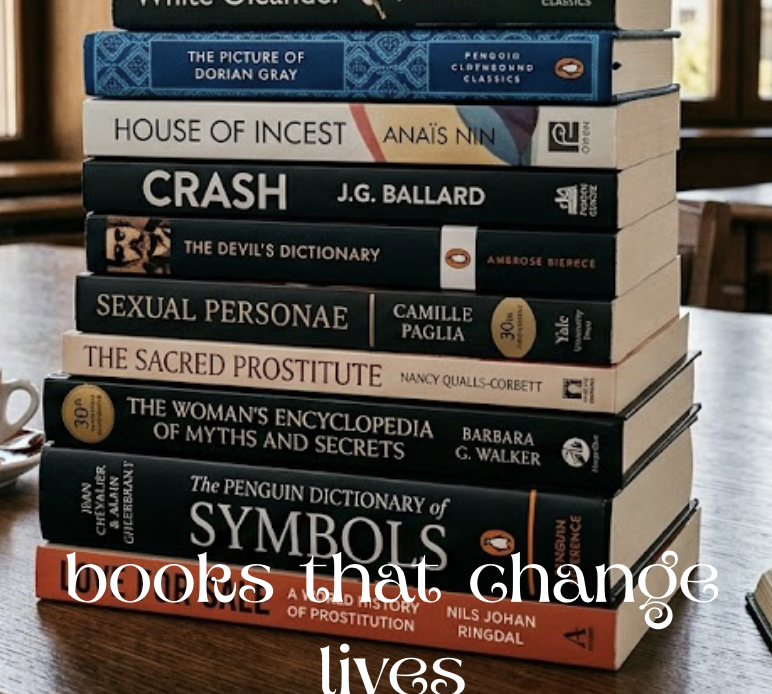
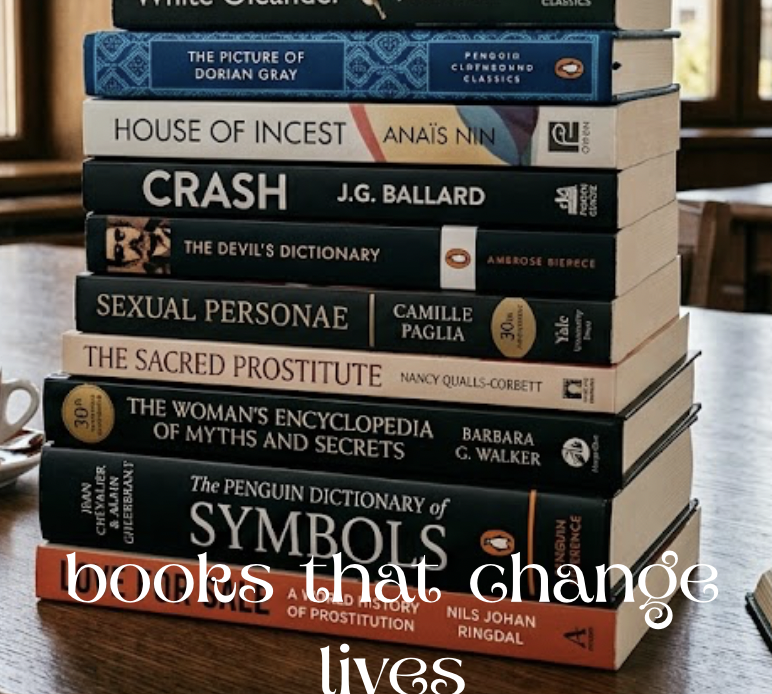
In Janet Fitch’s celebrated novel White Oleander, readers follow a young woman navigating a sequence of foster homes across Los Angeles. Through vivid, dreamy prose, the narrative transforms a story of personal survival into an homage to beauty, art, and individualism. It demonstrates how aesthetic sensitivity and artistic expression can preserve one’s agency amidst challenging circumstances.
In a dramatically different tone, Oscar Wilde’s classic The Picture of Dorian Gray functions as an ultimate manifesto for aestheticism. Wilde examines the ruthless, unyielding pursuit of external perfection, offering both an alluring celebration of art and a cautionary tale regarding moral detachment. The detailed cataloging of exquisite objects, gemstones, and ceremonial textiles within the novel highlights a profound fascination with physical form and sensory experience.
For those drawn to modern surrealism and technological critiques, J.G. Ballard’s novel Crash provides a startling vision of contemporary existence. Ballard uses extreme metaphorical narrative choices to construct a warning against the cold, hyper-technological environment of modern culture. His singular voice invites readers to reflect on how societal shifts alter raw human emotion and desire.
Decoding the Sacred, the Symbolic, and the Feminine
Beyond narrative fiction, deep analytical texts expand our awareness of human history, psychology, and mythology. Non-fiction works often unlock hidden dimensions of the psyche and illuminate historical truths that have been obscured over time.
Camille Paglia’s ambitious survey Sexual Personae dives straight into Western art and literature, analyzing the tension between orderly intellect and raw natural force. Her cutthroat analysis invites readers to engage directly with foundational critical theory, encouraging independent interpretation of cultural history rather than relying on second-hand commentary.
Psychological depth is further illuminated in Nancy Qualls-Corbett’s The Sacred Prostitute: Eternal Aspect of the Feminine. Drawing on Jungian principles, this work explores internal feminine dynamics, cyclical balance, and self-alignment. It offers a thoughtful psychological framework for understanding sacred aspects of sensuality and personal integration.
Historical and symbolic research provides yet another angle for self-enrichment. Barbara Walker’s The Woman’s Encyclopedia of Myths and Secrets uncovers pagan traditions, ancient rites, and linguistic evolutions, highlighting how cultural perspectives on the feminine have transformed through time. Meanwhile, The Penguin Dictionary of Symbols acts as a fascinating field guide to everyday life, revealing the sentimental and mythic meanings woven into the objects, patterns, and concepts around us. Complementing these insights, Nils Johan Ringdal’s Love for Sale: A World History of Prostitution details the evolving social and political status of women throughout history, tracing how sacred roles in ancient societies shifted into modern professions.
Sensual Poetics and Satirical Wit
Literature also holds space for delicate poetic beauty and sharp humor.
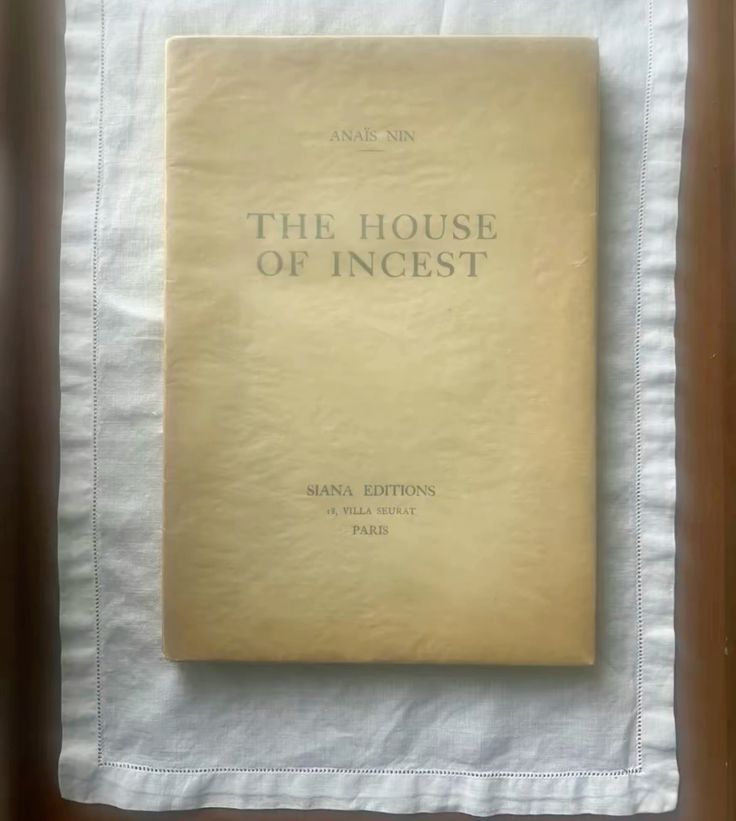
Anaïs Nin’s prose poem House of Incest offers a transcendent exploration of love and self-reflection. Operating on a plane far removed from ordinary erotic literature, her lyrical writing hovers gracefully above physical reality, capturing internal emotional states with unmatched nuance and figurative beauty.
To balance intense philosophical and poetic inquiries, satirical works like Ambrose Bierce’s The Devil’s Dictionary offer quick, sharp amusement. Bierce redefines everyday vocabulary with cynical wit, reminding readers that humor and skepticism are essential companions on any intellectual journey.
Crafting Your Personal Library
Building a meaningful reading list is an ongoing personal pilgrimage. Whether you are drawn to sweeping novels of self-discovery, deep psychological studies, or sharp intellectual satires, the right books expand your horizons and refine your perspective. By engaging with daring ideas and exquisite prose, we invite transformative power into our everyday lives.
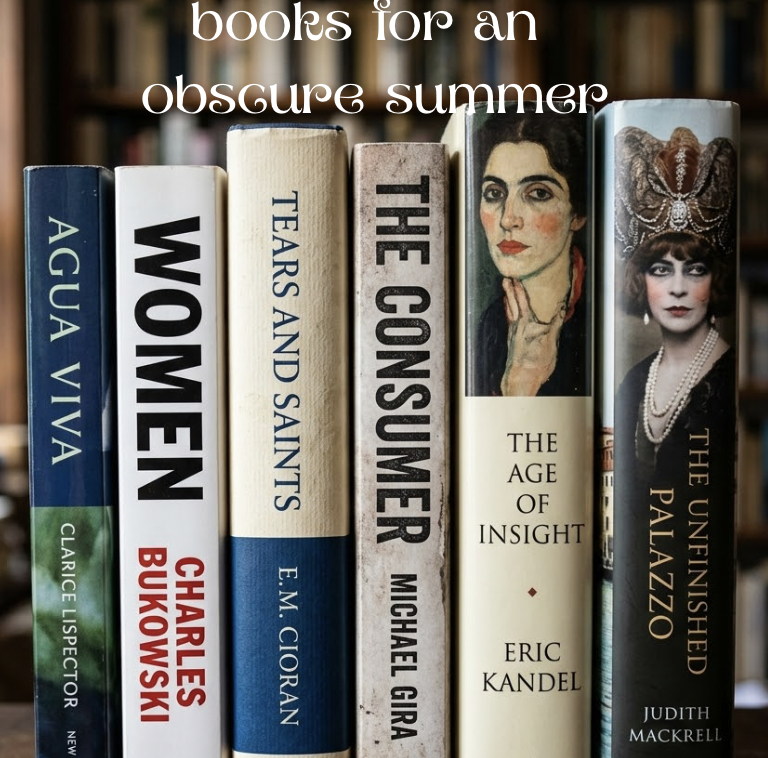
Most reading lists follow a tidy, predictable script: classic works grouped by genre, literary awards, or historical eras. But our actual reading lives rarely unfold so neatly. We often find solace in the obscure, the uncomfortable, or the wildly unconventional, books that don’t fit neatly into standard categories, yet meet us at precise moments when we need them most. Inspired by Heaven Sent Honey’s reflection on her hidden bookshelf, this collection explores six eclectic titles that span the full spectrum of human experience, from delicate existential joy to the dark underbelly of human nature.
If you have ever felt overwhelmed by the sheer intensity of being alive, Clarice Lispector’s stream-of-consciousness novella Água Viva offers a rare form of communion. Plotless and fluid, the book acts like a fountain of raw thought, written as if Lispector were capturing the fleeting nature of reality directly at her typewriter. Lispector excels at taking the mundane, a dying rose, a mirror hanging in an empty room, and transforming it into something luminous and strange. In one famous passage, she compares the difficulty of surrendering to the present moment to holding a trembling bird in a half-closed hand, a moment so fragile and intimate that we feel compelled to open our palm and set it free. This book is ideal for readers seeking poetic introspection, aesthetic beauty, and existential clarity.
Moving from Lispector’s delicate lyricism to Charles Bukowski is a deliberate shock to the system. Known for his stark, unvarnished, and often abrasive prose, Bukowski’s semi-autobiographical novel Women documents a period of late-life success amidst his chaotic habits. While Bukowski’s work can be polarizing, his appeal often lies in his utter refusal to romanticize life. When you are overwhelmed or taking life too seriously, his plain-spoken, cynical humor strips away pretension, offering a bizarre form of grounding comfort for those looking for raw, unpolished realism and irreverent humor.
Romanian philosopher Emil Cioran is famous for his dark, nihilistic outlook, yet in Tears and Saints, his examination of martyrdom and religious fervor reads less like a dry treatise and more like a collection of sharp, rhythmic aphorisms. Cioran explores how saints and mystics, such as St. Rose of Lima, used extreme physical suffering and sleep deprivation to achieve a heightened, mystical state of awareness. To Cioran, saintliness is a conscious effort towards winning everything through holy madness, using pain to intensify human subjectivity and transcend the mundane world, making it a compelling read for enthusiasts of philosophy, aphoristic writing, and dark historical studies.
For those drawn to the grotesque, The Consumer, a rare collection of short stories by Swans frontman Michael Gira, delves directly into human cruelty and horror. Unlike fantasy horror, Gira’s writing mirrors the shocking, raw headlines of real-world crime and psychological breakdown. It is an uncomfortable read, but it serves a specific psychological purpose: by confronting the darkest corners of human nature head-on, the shock transforms into a strange, sobering sense of awe regarding what humans are capable of. It stands out as an intense choice for fans of dark fiction, body horror, and uncompromising transgressive literature.
Stepping back into the light, Nobel laureate Eric Kandel’s The Age of Insight examines turn-of-the-century Vienna, where artists, psychoanalysts, and neuroscientists mingled in salon culture. Kandel breaks down how groundbreaking artists like Gustav Klimt, Egon Schiele, and Oskar Kokoschka subconsciously integrated early biological and psychological insights into their portraiture. Klimt incorporated motifs resembling human egg and sperm cells into decorative patterns, Schiele used exaggerated, tense line work and feverish skin tones to reflect personal trauma and anxiety, while Kokoschka captured psychological depth so intensely that his portraits seemed to predict physical ailments before they manifested. It provides a fascinating journey for art history lovers, science enthusiasts, and anyone curious about how the human brain perceives art.
Ending on a grand, dramatic note, Judith Mackrell’s The Unfinished Palazzo tells the history of Venice’s iconic Palazzo Venier dei Leoni, now the Peggy Guggenheim Collection, through the lives of the three eccentric women who inhabited it. It traces the life of Marchesa Luisa Casati, a flamboyant dandy who famously declared she wanted to make her life a living work of art and was known for walking veiled through Venice at night with cheetahs on leashes. It then moves to Doris Castlerosse, an English socialite who redecorated the palazzo into a gilded retreat during the 1930s, and culminates with Peggy Guggenheim, the legendary art collector who transformed the space into a sanctuary for modern art. It is a brilliant tribute for lovers of biography, Venetian history, and grand, artistic lifestyles.
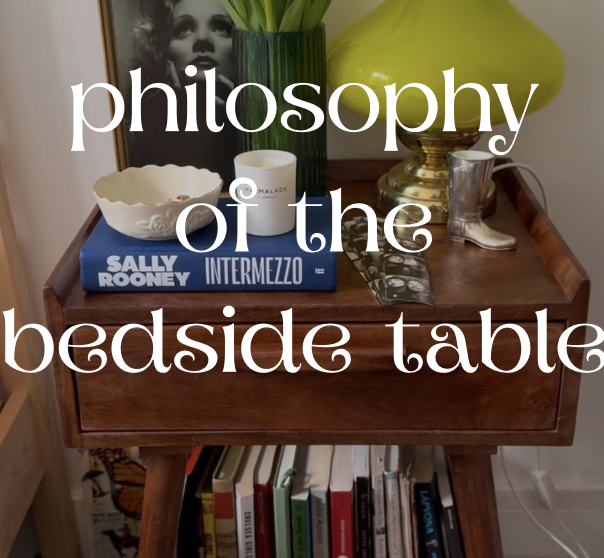
We live in a culture that demands constant visibility. We document our routines, broadcast our thoughts, and curate our public-facing lives for an endlessly scrolling audience. Yet, tucked away in the quietest corner of our bedrooms sits a small, unassuming surface that holds our most honest story: the bedside table. From old internet mood boards to modern digital essays, images of nightstands, a stack of paperbacks, a half-burned candle, a tangled chain, or a glowing screen: have quietly remained one of our most enduring cultural visual tropes. We are perpetually captivated by these small clusters of everyday clutter because the bedside table is never just a piece of furniture. It is a personal altar.
Historically, the bedroom, and specifically the boudoir, has served as a sanctuary of retreat. It functions much like an interior womb: a dark, enclosed, protective space where ideas, rest, and identities incubate away from the gaze of the world. If the bedroom is a sacred shrine, then the nightstand is its altar, the exact surface where we conduct our quietest nightly and morning acts of devotion. It is where we unclasp our jewelry, set down our reading glasses, sip water before sleep, and extinguish the light. In a world where living spaces are shrinking and shared apartments blend our public and private lives, that tiny square footage next to the mattress often becomes the only space that belongs entirely to us.
What makes the nightstand unique is its delicate balance between deliberate intention and pure accident. On one hand, we consciously choose what belongs there: a reading lamp, an alarm clock, or a favorite hand cream. On the other hand, it naturally accumulates the stray debris of our daily existence: a loose pearl found on an afternoon walk, a lingering ticket stub, a spent match, or a dried flower stem. These objects are not mere junk, but physical extensions of ourselves. They form a quiet, intimate still-life that constantly reaffirms who we are when nobody is watching. The objects on your nightstand maintain your identity and your belief in yourself, reminding you of your true nature in the stillness of the night.
If our personal possessions are physical manifestations of our internal state, then observing your bedside table becomes a form of everyday divination. Looking closely at its surface reveals where you have been and where you might be going. A stack of history books and a vintage key might suggest a deep desire to return to origins and seek underlying meaning, while a tangle of charging cords and half-empty cups reflects a mind running on anxiety and burning out. Keepsakes from past trips or family heirlooms reveal an impulse to anchor oneself to memory during moments of transition. When you look closely at these scattered relics, you are not just looking at random items you own; you are looking at fragments of your own psyche left behind in the dark.
Because your nightstand influences your frame of mind every morning when you open your eyes and every evening before you drift off, treating it with intentional care becomes a subtle form of self-preservation. Clearing away stray trash, old receipts, or items that carry heavy, unwanted energy allows space for objects that genuinely support your daily acts of grounding. By leaving a small cushion of space for chance, you allow the room for those random, beautiful fragments that naturally slip out of your pockets at the end of the day to land where they belong. The next time you feel lost, overwhelmed, or disconnected from yourself, you do not need to look far. Look to the small ledge beside your pillow, where the answers to who you are, and who you are becoming, are already resting.