Blog

  • The Freedom of Being Unlikeable

    The Freedom of Being Unlikeable

    A wise woman once said, “You don’t have to love me, you don’t even have to like me, but you will respect me.” 

    In a world obsessed with social performance, forced politeness, and keeping everyone happy, there is a quiet, radical power in accepting that you might just be unlikeable to most people, and being completely fine with it.

    We often confuse performative friendliness with genuine kindness. When you stop putting on a social mask just to make strangers comfortable, your true emotions actually start to mean something. A smile shouldn’t be an automatic reaction to appease a room; it should mean you are genuinely happy or excited. People always know where they stand with someone who refuses to fake it, preferring clear truth over comfortable deception.

    Trying to please everyone usually forces you into neutrality, but neutrality is a trap. A person with real conviction is respected when they are a genuine friend and a genuine enemy. Being polarizing simply means you stand for something. Neutrality, on the other hand, leaves you passionless, easily swayed, and living strictly on the surface level of life.

    When you stop worrying about whether the world likes you, you reclaim a massive amount of mental energy. You stop wasting time reading into every small interaction or managing other people’s perceptions, and you can finally direct that focus toward your real goals, your creative pursuits, and deeply caring for the small circle of people who truly matter to you.

    This doesn’t mean closing yourself off behind an iron gate forever. There is always value in occasionally stepping out of your own head when it genuinely serves or helps someone else. But at your core, protecting your peace and holding fast to your own integrity will always take you further than trying to be everyone’s favorite person.

  • With my back to the world

    With my back to the world

    We live in a culture obsessed with staying relevant. We feel a relentless, almost anxiety inducing pull to track the latest viral discourse, weigh in on hot takes within minutes, and consume recycled opinions before we have even had the time to sit down and process our own. The modern internet demands constant availability, rapid reaction times, and an appetite for whatever trend is burning brightest this second. But what if the best thing you could possibly do for your creative work, your mind, and your sense of identity is to become completely, intentionally out of touch?

    In a world addicted to algorithmic speed, the act of turning your back on the internet’s endless churn is not an admission of ignorance, it is a act of creative self-preservation. When you look closely at how content is generated today, much of it is merely a copy of a copy: a reaction to someone else’s commentary on a trend that was already digested by five other creators before them. We end up using the same buzzwords, echoing the same surface-level takes, and regurgitating opinions we never actually earned through our own critical thinking. When you constantly consume second-hand interpretations, your personal artistic perspective inevitably degrades. To build a voice that actually carries weight, you have to go directly to the primary source. Read the foundational text yourself instead of settling for a sixty-second summary video. Study history, philosophy, and art directly rather than scrolling through endless mood boards designed by someone else. Form your own unfiltered thoughts in total quiet before checking what a comment section thinks you ought to feel.

    This relentless pace has also completely fractured our relationship with time. On the internet, two weeks feels like two dinosaur epochs; trends flare up, cause mass outrage or fascination, and die before we can even begin to comprehend their deeper implications. This artificial urgency forces creators into a state of panic, pushing half-baked, frantic ideas into the world just to catch a passing algorithmic wave. But real art, good writing, and truly original ideas demand incubation. The legendary abstract painter Agnes Martin famously described sitting in a chair for hours, waiting in absolute stillness for an idea to reveal itself to her, she painted, quite literally, with her back to the world. When you detach yourself from online timelines, you give your ideas permission to breathe. You allow yourself to linger on a single book or concept for months if it moves you, to let your draft sit until it matures, and to replace the frantic rush of instant publishing with the slow, satisfying labor of genuine craft.

    Ultimately, true originality does not come from surveying the market or taking the temperature of the culture; it comes from looking inward. When you turn down the volume of external noise, you finally give yourself the space to confront your own reflection, your personal history, your memories, and the unique web of influences that shaped you. This is how you cultivate a personal mythology. Cliche behavior is almost always the result of someone failing to access their own internal complexity, choosing instead to paste other people’s symbols over their own identity. 

    You are far too complex to settle for being an echo. Being out of touch is not about hiding from the world, it is about choosing depth over velocity, stepping off the treadmill of constant consumption, and allowing your own quiet, singular voice to finally lead the way- your way.

  • poezii

    poezii

    feminitate

    un cuvânt, femina

    poate ar cauta sa fredoneze in continuare rima

    unei vieti povestite

    in nesens, probabil in vreo noapte

    fara nimic fantasmagoric, șoptita fara șoapte

    aș vrea sa pot 

    sa nu răspund așa ușor 

    unei întrebări aruncate

    eclectic, mașinal, de niciun interlocutor

    ești idiot?

    amalgam

    sezi tu, moarte rosie, ineaca-mi viata de oaie dusa pana la insuficienta

    arata-mi ziceri nespuse cum curg siroaie intr-o 

    fantoma, un amalgam de abisuri-nimic, obiectiv

    incredinteaza-ti puritatea unui hoț de struguri

    si esti deja must, in sticla 

    aurie din dulapul plin ochi- cu visele implinite de altii

    te crezi erou si ai urechi intr o lume muta

    e crezi special si ai gura intr o lume surda.

    iti fagaduiesc schimbarea mea, 

    dar tu primul.

    bac 2025

    iarnă sau ia-mă?

    doamne la ce te gandesti cand o pui pe maica domnului

    in bratele lui, pline cu găuri si seringi?

    i-ai băgat încă un cui, pe mine m-ai scos?

    am visat planeta si era si el acolo

    trăgea linia orizontului, vezi ca a rămas o dâră după tine, e in mine, nu o vrei?

    nu mă vrei? zici ca nu mai poti, amfetamina ți a sinucis de tot și rima….adrenalina

    vezi că dreptul omului la cer, e implinit bă dacă scrii ce a gândit eminescu pe boaba lui de romancier

    mai trage-un fum, și înca unul, ia-mă

    si pe mine in paradis, adică nu e relativ daca ma ții bine în vis,

    adu-mi te rog frumos aminte, cum erai inainte de revoluție…?

    pune-mă iar la tine în nerv, acolo unde doar simți și vrei să nu te minți 

    de ce nu te încumeți să tai tot? 

    sângele rămâne….rămân doar eu cu tine

    o fi fost lamă?????

    ireprosabil-nu stiu daca e adios

    incomplexitate sentimentala

    pentru ce tot cersesti ceva intim,

    stii ca esti prabusit de amintiri 

    cand ai marea la picioare, si tu visezi la lună

    si eu am cautat-o, stii cum e

    suntem singuri impreuna, nu exista leac pentru capriciile mele,

    tulburati de iubire neimplinita, 

    inca ma pastrezi intr-un sertar prafuit, spiritul meu se destinde nonsalant la tine in suflet 

    poate am alunecat din inertie, poate suntem intr-un film care nu se  mai termină

    cat as vrea sa stii ca nu imi pare rau,

    iti cunosc dedesubturile inimii, chiar si imbarligaturile din craniu

    luni vorbite contratimp, si nici nu ai incercat sa-mi deslusesti vreun gand  

    inca ma bantuie discrepanta dintre reflexie si realitate,

    clipele planse ireprosabil, singurele actiuni consecvente din viata mea

    te vrei misto? zi-mi o gluma mai buna decat asta.

  • #madebyme

    #madebyme

    @signedpaula

  • The Anatomy of an Icon

    The Anatomy of an Icon

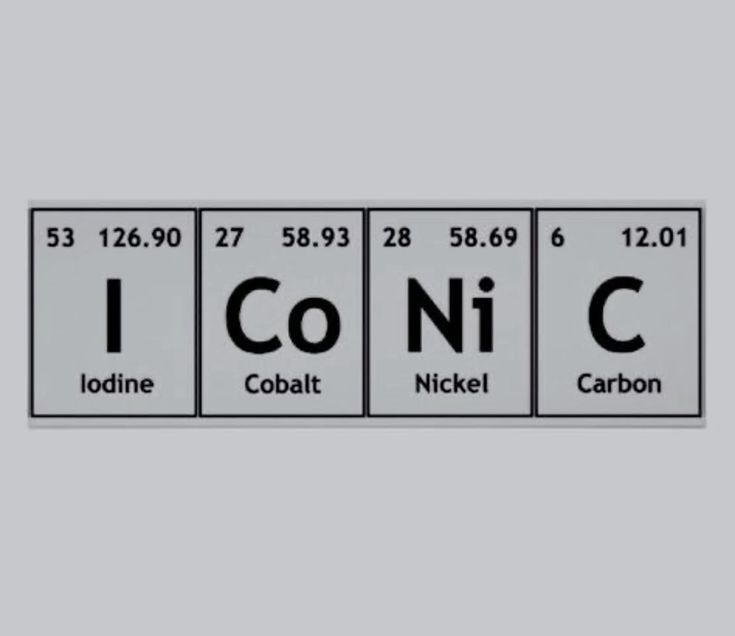
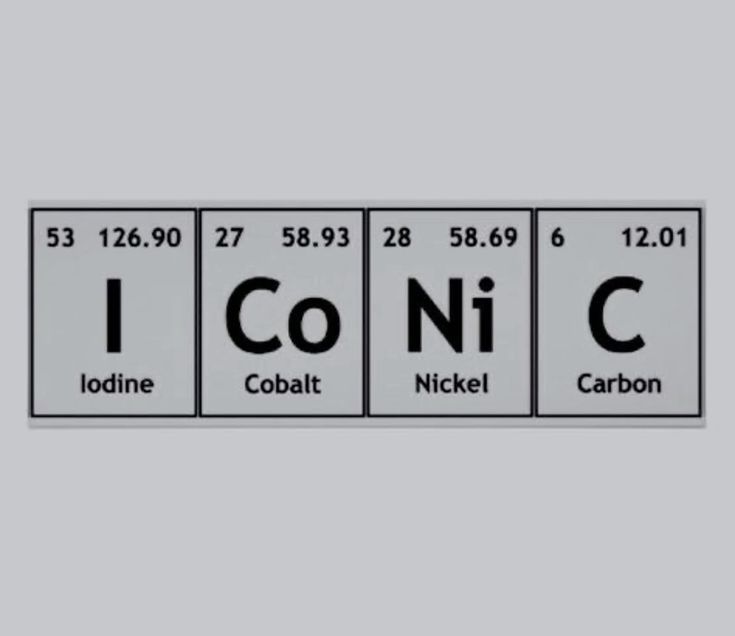
    We treat the word “iconic” like a casual compliment, but true iconicity isn’t an accident. It’s a precise, elemental composition. If you look at the periodic table of cultural impact, an icon isn’t born from a single trait; it is forged through a specific, volatile mix of elements that lock together to create something permanent.

    To build an icon, you need the perfect scientific formula. Let’s break down the chemistry:

    In chemistry, iodine is used to test for the presence of deeply hidden starches, turning a vivid, undeniable deep blue. In the anatomy of an icon, Iodine is the visibility. An icon cannot exist in the shadows; they possess an arresting visual signature that immediately disrupts the landscape. Think of a silhouette so distinct that if you drew it in a single black line against a gray wall, the entire world would still recognize it. It’s the instant recognition, the sharp focus, the refusal to blend into the background noise of trends.

    Cobalt creates the most intense, breathtaking blues in art history—pigments that have survived inside ancient tombs and on stained glass windows for centuries. This is the emotional and psychological depth of an icon. An icon isn’t shallow or fleeting; they carry a moody, resonant depth that people can project their own dreams, rebellion, or desires onto. Like cobalt, their impact doesn’t fade with exposure to the elements of time. They possess an aura that feels both incredibly rare and infinitely deep.

    Nickel is the element used to coat other metals to prevent corrosion. It’s tough, magnetic, and resists the wear and tear of the world. In our formula, Nickel is absolute resilience. You cannot become iconic by being fragile or by shifting with every passing breeze of public opinion. An icon possesses a hardened, unapologetic core. They weather the critiques, the shifting cultural tides, and the relentless passage of time, emerging completely untarnished. They are magnetic because they are unyielding.

    Carbon is the basis of all organic life, but under the right amount of intense pressure, it rearranges its structure to become a diamond. This is the uncompromising foundation of an icon. An icon is formed under immense cultural pressure. They take the weight of an era, the anxieties of a generation, or the boundaries of an industry, and they compress it into something brilliantly sharp, multi-faceted, and completely unbreakable. They are the raw material of culture, refined into its most precious form.

    “Trends are temporary compounds. Icons are fundamental elements.”

    When you fuse these elements together—Visibility, Depth, Resilience, and Pressure—you get a substance that defies the natural laws of decay. It ceases to be just a person, a garment, or a moment. It becomes a cultural milestone.

    An icon doesn’t ask for permission to be remembered; its very chemistry makes it impossible to forget.

    @signedpaula

  • #sangbyme

    #sangbyme

    @signedpaula

  • LOokBoOk

    LOokBoOk

    @signedpaula

  • How To Be One’s Own Muse

    How To Be One’s Own Muse

    Throughout history, the role of the “muse” has almost always been viewed as an external entity. We are captivated by the classic duo: the brilliant creator and their elusive, ethereal inspiration. But this dynamic carries a quiet, historical weight, particularly when the muse is female. Too often, women positioned as muses have been stripped of their own creative agency, intellectual complexity, and intrinsic potential, acting merely as blank canvases for someone else’s genius.

    Consider Lou Andreas-Salomé. History frequently minimizes her as the brilliant muse who captivated Friedrich Nietzsche, Rainer Maria Rilke, and Sigmund Freud. Her own prolific body of philosophical work, psychoanalytic theories, and literature remains largely overshadowed by the sensationalism of her personal relationships. Yet, Salomé fiercely rejected the title of a muse. She refused any form of subordination, choosing instead to seek creative fulfillment deep within herself.

    It was Salomé who fundamentally reshaped how we understand the journey inward by challenging one of psychology’s oldest villains: Narcissus.

    In standard psychology and classical psychoanalysis, narcissism is treated as a fatal flaw, an inability to distinguish oneself from the surrounding world, or a tyrannical, toxic demand for external worship. The myth tells us that Narcissus caught sight of his reflection in a pool of water, fell hopelessly in love with his own image, and ultimately drowned.

    Salomé saw something entirely different hidden beneath the surface of that pool.

    She proposed that Narcissus’s fixation wasn’t just a regression into fatal self-obsession; it was a dual-oriented state. To Salomé, looking into the water is a deep entry into the self. What Narcissus sees isn’t superficial vanity; he recognizes a fragment of unconscious memory—a lost, unified part of his being.

    By engaging with his reflection, Narcissus bridges the gap between the creator and the created. He becomes both the artist and the muse, using self-exploration to access his highest creative potential. This is what Salomé coined as the creative narcissist—the individual who gives birth to themselves.

    “The narcissistic way is internal, deeply linked to a feminine archetype of self-containment and inner knowing, much like Venus holding her mirror.”

    To understand this journey back to ourselves, we have to look closely at the body of water Narcissus gazes into. In mythology, standing water represents the unconscious mind.

    Consider Mnemosyne, the Greek goddess of memory and the mother of the nine muses. Her mythological opposite is Lethe, the goddess of forgetting, who is symbolized by a moving, rushing river. To forget is to be in constant, restless motion, which is why it is represented by the river. To create, however, requires us to stand completely still and contemplate, much like the stillness of a lake.

    Without memory and stillness, art cannot exist. When we plunge beneath the surface of our own self-reflection, we are not chasing vanity…we are thirsting for memory. As Albert Camus beautifully hinted in his essays, all human endeavor is ultimately an act of remembering.

    When you do the difficult work of figuring out who you are, it often feels less like discovering a stranger and more like coming home to a completed version of yourself that existed long before the noise of the world took over.

    The Peril and the Promise

    Being your own muse is not a superficial lifestyle trend. In a modern culture increasingly driven by surface-level self-expression, where self-care is occasionally minimized to viral aesthetics or bailing on responsibilities, Salomé’s deeper invitation is highly challenging.

    Turning fully inward carries genuine risks. There is the immediate risk of vanity, where one stays entirely on the surface of the water, failing to look deeper than the outer shell. Then there is the risk of the deep, where a person goes so far into the depths of their own psyche that they isolate themselves from the world, or encounter internal shadows they are not prepared to face. Rilke famously walked this line, describing his inner muse as an angel that threatened to destroy him.

    Yet, it is a risk entirely worth taking. To be your own muse means building the strength to hold your own hand as you navigate the depths of who you are. The inner whispers of intuition we spend our lives searching for in other people don’t originate from someone else’s mouth. They are coming from you.

    Lou Andreas-Salomé, generat de AI
  • Reflecții despre Xanax și Tennessee Williams

    Reflecții despre Xanax și Tennessee Williams

    Există o fragilitate atât de mare în a fi uman, încât uneori simplul act de a respira devine un efort prea greu. Când anxietatea nu mai este doar un fundal sonor, ci devine zgomotul principal din mintea ta, cauți cu disperare un buton de mute. Pentru mine, acel buton a fost Xanax-ul. O barieră chimică perfectă între mine și o lume care se simțea mult prea intensă, mult prea zgomotoasă, mult prea dură.

    Recent, recitind fragmente din confesiunile și eseurile lui Tennessee Williams – adunate adesea sub metafora obsedantă a „memoriilor unui crocodil bătrân” – am simțit o lovitură direct în stomac. Williams, unul dintre cei mai mari empatici ai literaturii, un om care a tradus vulnerabilitatea umană în capodopere, a trăit decenii întregi închis în propria sa „carapace chimică”. El descria cum amfetaminele și sedativele i-au oferit acea piele groasă, de crocodil, capabilă să îndure critici, eșecuri și propria sensibilitate exacerbată.

    Citindu-l, m-am privit în oglindă și am înțeles, poate pentru prima dată, ce mi-a făcut mie dependența de benzodiazepine.

    La început, Xanax-ul nu se simte ca un inamic. Se simte ca un salvator. Îți oferă exact ceea ce promite piesa lui Williams: o piele de crocodil. Devii imun la panică, imun la frică, imun la durere. Lumea exterioară își pierde colțurile ascuțite. Devii un observator detașat al propriei tale vieți, privind totul din spatele unui geam securizat.

    Dar capcana pe care Tennessee Williams o descrie atât de dureros în scrierile sale târzii este că această armură nu selectează ce anume lasă să treacă prin ea. Când îți construiești o piele groasă ca să nu mai simți durerea, încetezi să mai simți și bucuria. Încetezi să mai simți conexiunea autentică, entuziasmul, nuanțele realității.

    „Un crocodil devine bătrân nu doar pentru că trec anii peste el, ci pentru că încetează să mai simtă apa în care înoată.”

    Xanax-ul m-a transformat, treptat, într-un astfel de personaj nescris al lui Williams. Eram acolo, dar nu pe deplin prezentă. Gestionam logistica vieții, dar pierdusem poezia ei. Dependența de benzodiazepine îți fură tocmai esența care te face să creezi, să iubești, să fii: îți fură vulnerabilitatea.

    Trezirea din amorțeală

    Marea tragedie a lui Williams a fost că, spre sfârșitul vieții, izolarea sa chimică devenise o închisoare din care evadarea părea aproape imposibilă. Însă lectura textelor sale nu trebuie să fie o sentință, ci un avertisment.

    Să recunoști că ai o dependență de Xanax este ca și cum ai încerca să îți dai jos o piele care a crescut peste tine. Doare. Fiecare miligram în minus înseamnă o revenire a realității în culori mult prea stridente. Anxietatea se întoarce la început ca un val violent, amintindu-ți de ce ai fugit în primul rând.

    Dar, spre deosebire de monștrii din apele stătătoare ale lui Williams, eu am ales să nu rămân blocată în acea armură de sticlă. Acest articol nu este despre rușine, ci despre recuperarea propriei sensibilități. Să fii vulnerabil, să simți frica și totuși să mergi mai departe fără o cârjă chimică este, în final, singurul act de curaj adevărat.

    Nu am nevoie de o piele de crocodil ca să supraviețuiesc lumii. Am nevoie doar de curajul de a o simți exact așa cum este: crudă, intensă și, în sfârșit, reală.

    Sper ca acest text să rezoneze cu ceea ce ai simțit citindu-l pe Williams și cu propria ta călătorie. 

  • Cum să ne recăpătăm aripile: O călătorie prin mitul lui Platon și căutarea frumuseții pierdute

    Cum să ne recăpătăm aripile: O călătorie prin mitul lui Platon și căutarea frumuseții pierdute

    Te-ai simțit vreodată complet fragmentat? Ca și cum o parte din tine trage cu disperare spre cer, spre ceva curat și măreț, în timp ce cealaltă te prăbușește la pământ, direct în zgomotul și tentațiile mărunte ale vieții de zi cu zi? Zilele trecute am reanalizat un dialog clasic al lui Platon, Phaidros, ghidat de un comentariu lăsat de voi. Mai exact, m-am pierdut în faimoasa palinodie a lui Socrate, acel discurs lung și incredibil de frumos în care filosoful își retrage cuvintele anterioare pentru a ne aminti un adevăr uitat: sufletul nostru a avut odată aripi. Atunci când sufletul este forțat să coboare într-un corp muritor, el își pierde această stare inițială din cauza vulnerabilității în fața plăcerilor pământești și a degradării. Platon descrie aripa ca pe elementul corporal cel mai apropiat de divin, capabil să se hrănească exclusiv cu frumusețe, înțelepciune și bunătate. Când decidem să ne hrănim în schimb cu răutate și urâțenie, aripile noastre se atrofiază și dispar. Dacă simți și tu această ruptura interioară, te invit să explorăm împreună cele trei căi platonice prin care ne putem recăpăta zborul și ascensiunea către înălțimile celeste.

    Pentru a înțelege mai bine acest conflict, Platon ne oferă o imagine vizuală extrem de puternică prin alegoria aurigăi. Ființa umană este comparată cu un conducător de car tras de doi cai complet opuși ca natură. Calul alb reprezintă rațiunea, noblețea și impulsul nostru nativ spre cer, fiind cel care ne îndeamnă mereu spre bine și frumos. În antiteză, calul negru întruchipează instinctele brutale, pofta trupească, grosolănia și tot ceea ce ne leagă strâns de pământ. Spre deosebire de zei, ale căror suflete sunt întregi și armonioase, noi, muritorii, suntem structural divizați. Psihicul nostru se dezvoltă tocmai în această tensiune dinamică dintre cele două forțe, iar datoria noastră pe acest pământ devine un exercițiu subtil de control prin care trebuie să îmblânzim calul negru pentru a-i permite celui alb să ne ridice din nou în zbor.

    Cea mai romantică și emoționantă parte a discursului socratic se referă la procesul de anamneză sau reminiscență. Platon susține că fiecare suflet uman a contemplat Adevărul Absolut înainte de a se naște în această formă. Însă, odată prinși în capcana materială a realității, mulți dintre noi pierd memoria acelor lucruri sfinte. Singurul mod în care ne putem aminti este prin intermediul epifaniei frumuseții. Frumusețea acționează ca un salut neașteptat în lumea noastră, întâmpinându-ne într-un mod atât de intim și personal încât simți că este adresată ție și nimănui altcuiva. Când întâlnim o reflexie a frumuseții adevărate pe pământ, fie în ochii persoanei iubite, fie în natură, ceva în interiorul nostru tresare, iar aripile încep dureros să se redeschidă. Deși relația noastră cu frumusețea pământească devine adesea toxică deoarece calul negru vrea să transforme admirația pură în dorință carnală, abținerea de la aceste instincte joase ne oferă o viziune mult mai clară asupra divinului și ne ajută să regăsim acea nevinovăție pierdută.

    O altă cale esențială de a ne regăsi aripile este prin intermediul discursului viu și al dialogului autentic. În textul său, Platon critică subtil cuvântul scris, considerând că textul rigid nu îți poate răspunde atunci când îl întrebi ceva, ci doar se repetă la nesfârșit și tinde să înlocuiască gândirea critică a cititorului cu autoritatea fixă a autorului. Adevărata magie se întâmplă în dialogul direct, față în față. Ai observat cum uneori, în mijlocul unei conversații profunde, spui lucruri pe care parcă nu tu le-ai formulat? Este ca și cum schimbul dinamic și spontan dintre două minți dă naștere unui gând complet nou care depășește individualitatea fiecăruia. Aceea este clipa pură de reminiscență în care, prin dialog și dialectică, două forțe opuse dau naștere unui adevăr superior și reușesc să atingă acele forme universale care ne unsec pe toți într-un întreg spiritual.

    Socrate ne lasă la final o promisiune tulburătoare, afirmând că există o lege a destinului conform căreia sufletul care reușește să prindă fie și o singură privire a Adevărului alături de un zeu este păstrat neatins de rău până la următoarea perioadă. Atunci când îți trăiești viața cu onestitate, căutând constant frumosul în artă, în oameni și în natură, întreaga ta perspectivă se schimbă. Răul exterior își pierde puterea asupra ta, iar eșecurile nu mai sunt privite ca pierderi dureroase, ci ca simple lecții de parcurs. Mintea filosofului, a artistului și a celor care iubesc profund natura rămâne singura care păstrează aripi funcționale într-o lume cufundată în material, datorită legăturii strânse cu rațiunea și cu esența divină. Depinde doar de noi ce cal decidem să hrănim astăzi.

@signedpaula