I recently found out I have Borderline Personality Disorder.
It wasn’t a shock, honestly. It was more like someone finally handing me the script to a play I’ve been starring in for years without knowing my lines. When you live with BPD, your sense of self feels less like a solid foundation and more like a revolving door. You are everything and nothing all at once, constantly trying to anchor yourself to a reality that feels perpetually out of focus.
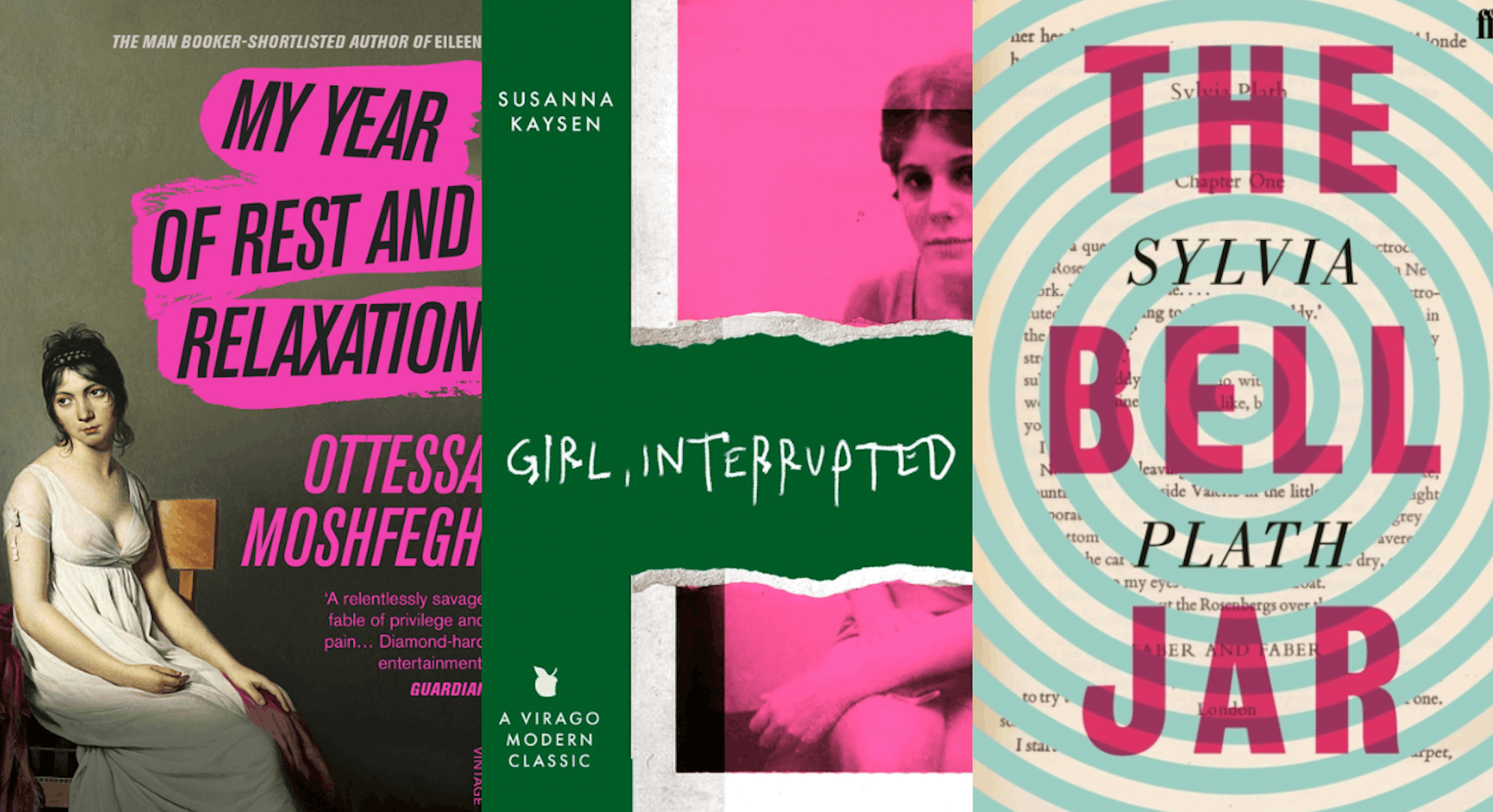
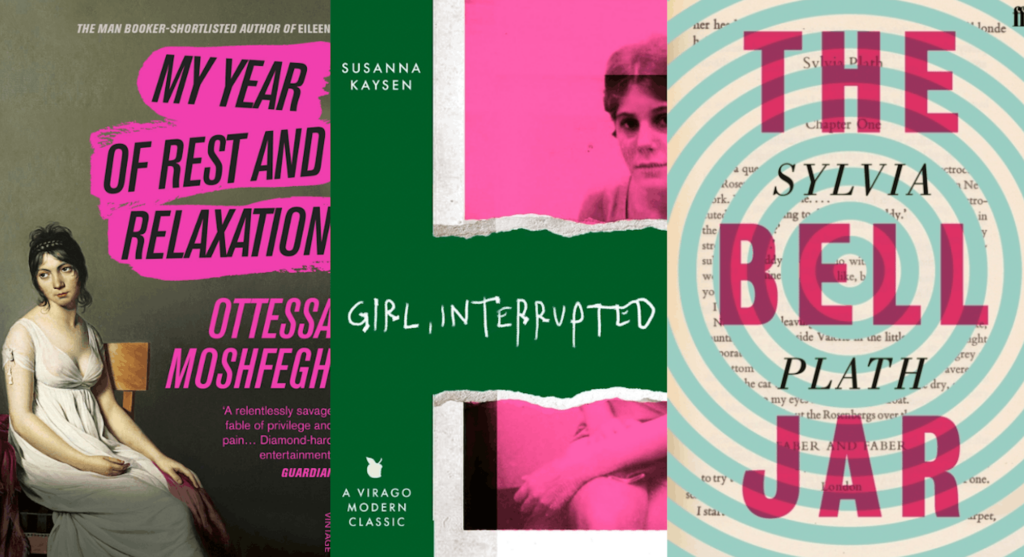
Naturally, my coping mechanism has always been reading. But lately, re-reading three specific books felt less like consumerism and more like looking into a funhouse mirror. I found fragments of my own scattered psyche in The Bell Jar, My Year of Rest and Relaxation, and Girl, Interrupted. If you’ve ever felt the crushing weight of just existing, these are for you.
The Bell Jar by Sylvia Plath
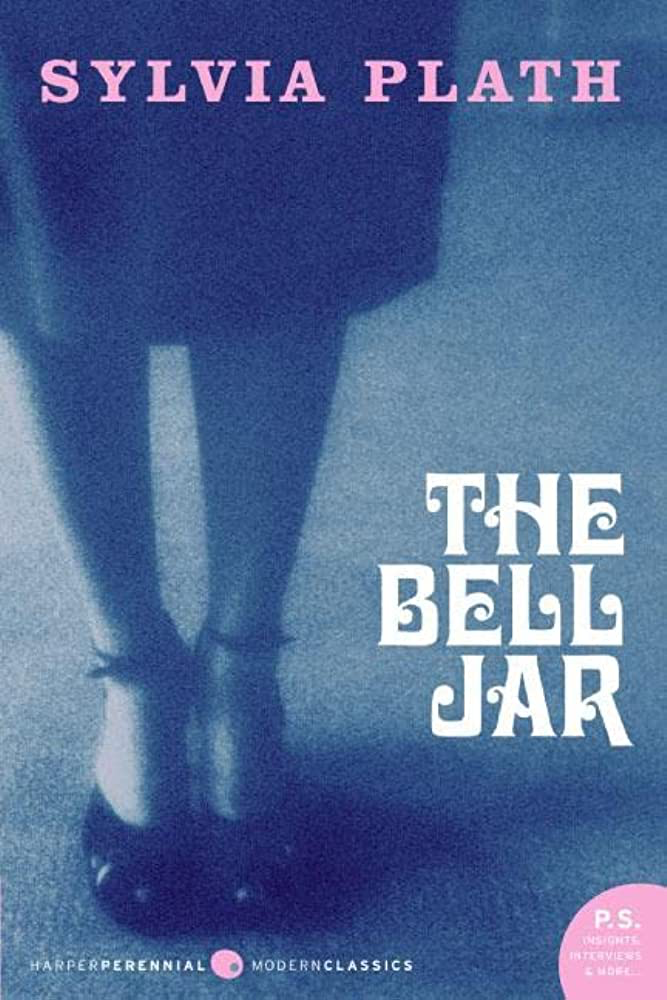
You cannot talk about the female sub-genre of mental disintegration without starting here. Esther Greenwood’s descent isn’t dramatic; it’s suffocatingly quiet. That’s what Plath captures so perfectly—the heavy, distorted air of the bell jar dropping over you, cutting off the oxygen of the outside world.
For me, the absolute apex of the book is the fig tree metaphor. Esther sits in the crotch of this tree, watching all these beautiful, branching futures, a husband, a brilliant career, travels, freedom, tarving to death because she cannot choose just one. Choosing one means losing the rest, so she sits there, paralyzed, while the figs rot and drop to the feet of the tree.
“I wanted each and every one of them, but choosing one meant losing all the rest, and, as I sat there, unable to decide, the figs began to wrinkle and go black, and, one by one, they plumped to the ground at my feet.”
As someone with BPD, this hits like a physical blow. The paralysis of choice, the intense fear of committing to a single identity only to realize you hate it, the terrifying speed at which potential turns into regret…it’s all there.
If The Bell Jar leaves you aching, you have to look at Plath’s Ariel. The poems in that collection are the raw, unedited muscle behind the novel. They feel like the internal, chaotic monologue of someone riding the high highs and devastating lows of borderline instability, burning fiercely before the fade.
My Year of Rest and Relaxation by Ottessa Moshfegh
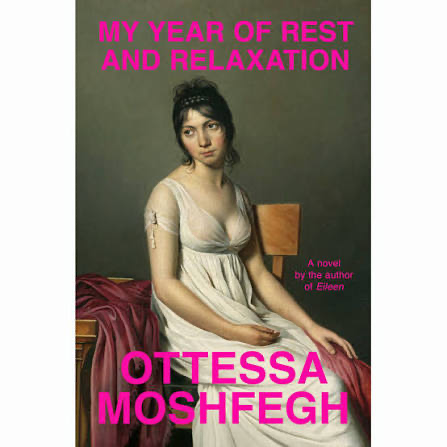
If Esther Greenwood is paralyzed by the pressure to be something, Moshfegh’s unnamed narrator decides to counter it by choosing to be absolutely nothing. Armed with an inheritance, a transactional relationship with a horribly incompetent psychiatrist, and a pharmacy’s worth of downers, she decides to sleep for a year.
It’s the ultimate hyper-fixation on detachment.
There is a profound, dark comedy in wanting to completely opt out of the human experience. When the emotional volatility of BPD gets too loud, the urge to just turn the volume down to zero is incredibly seductive. You don’t want to die; you just want to hibernate until you’ve reconstituted into someone better, or someone who feels less. It’s a cynical, brilliant, and deeply uncomfortable read that mocks the modern wellness industry while perfectly capturing the void of chronic emptiness.
Girl, Interrupted by Susanna Kaysen
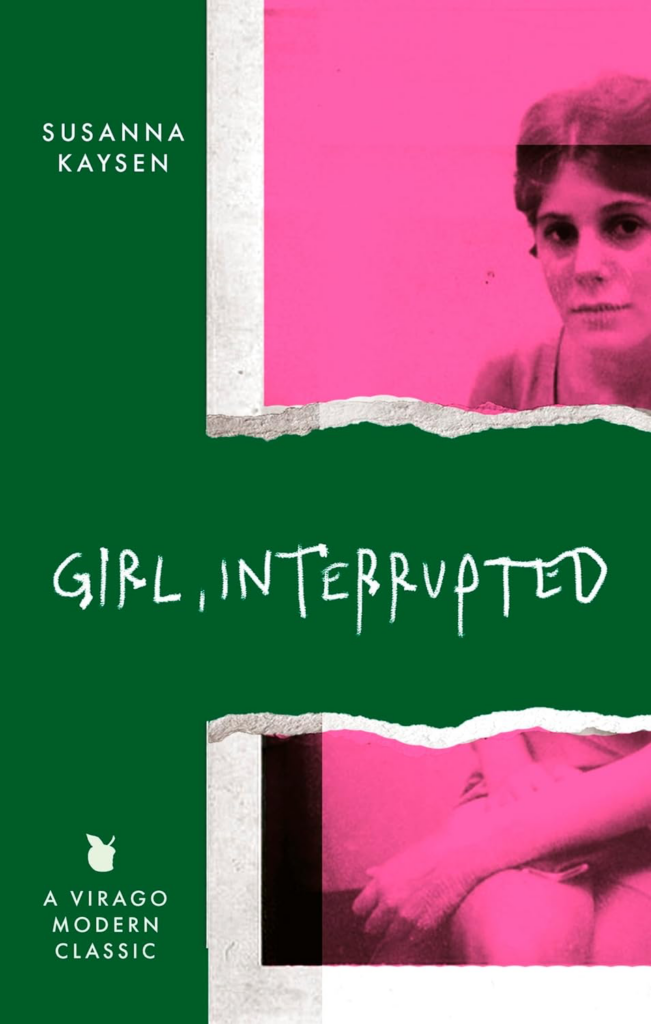
Susanna Kaysen’s memoir of her time at McLean Hospital in the late 1960s is perhaps the most direct mirror I’ve ever looked into, considering she was explicitly diagnosed with Borderline Personality Disorder.
Unlike the cinematic drama of the movie adaptation, the book is a sharp, fragmented, and clinical dissection of what it means to be deemed “crazy.” Kaysen doesn’t romanticize it. She questions the logic of the diagnosis itself, looking at the blurred lines between intense female emotion and actual pathology.
Reading her thoughts on time, perception, and the sheer velocity of changing moods feels like reading my own journal. It’s a reminder that the boundary between sanity and the “parallel universe” of mental illness is terrifyingly thin—and sometimes, crossing it is the only logical response to a world that makes no sense.
The Verdict
I find myself in all of them. In Esther’s paralysis, in Moshfegh’s narrator’s desire to vanish, and in Kaysen’s sharp, fragmented sanity.
If you are looking for books that offer neat, happy endings and easy fixes, look elsewhere. But if you want to feel seen in all your messy, volatile, over-analytical glory, pick these up. Just don’t blame me if you start staring at fig trees a little too long.
Leave a Reply